One thing lacking in game design, especially when it comes to interactive storytelling, is a proper set of terms. While I do not think having a precise terminology will directly aid in making games better, it will help us communicate better. As proper communication is crucial for progress, proper terms are indirectly an important part of making better storytelling games. Because of this, I am going to go over some terminology that I find essential, what I mean by them and why I define them in a certain manner.
Thoughts on Slender: The Arrival
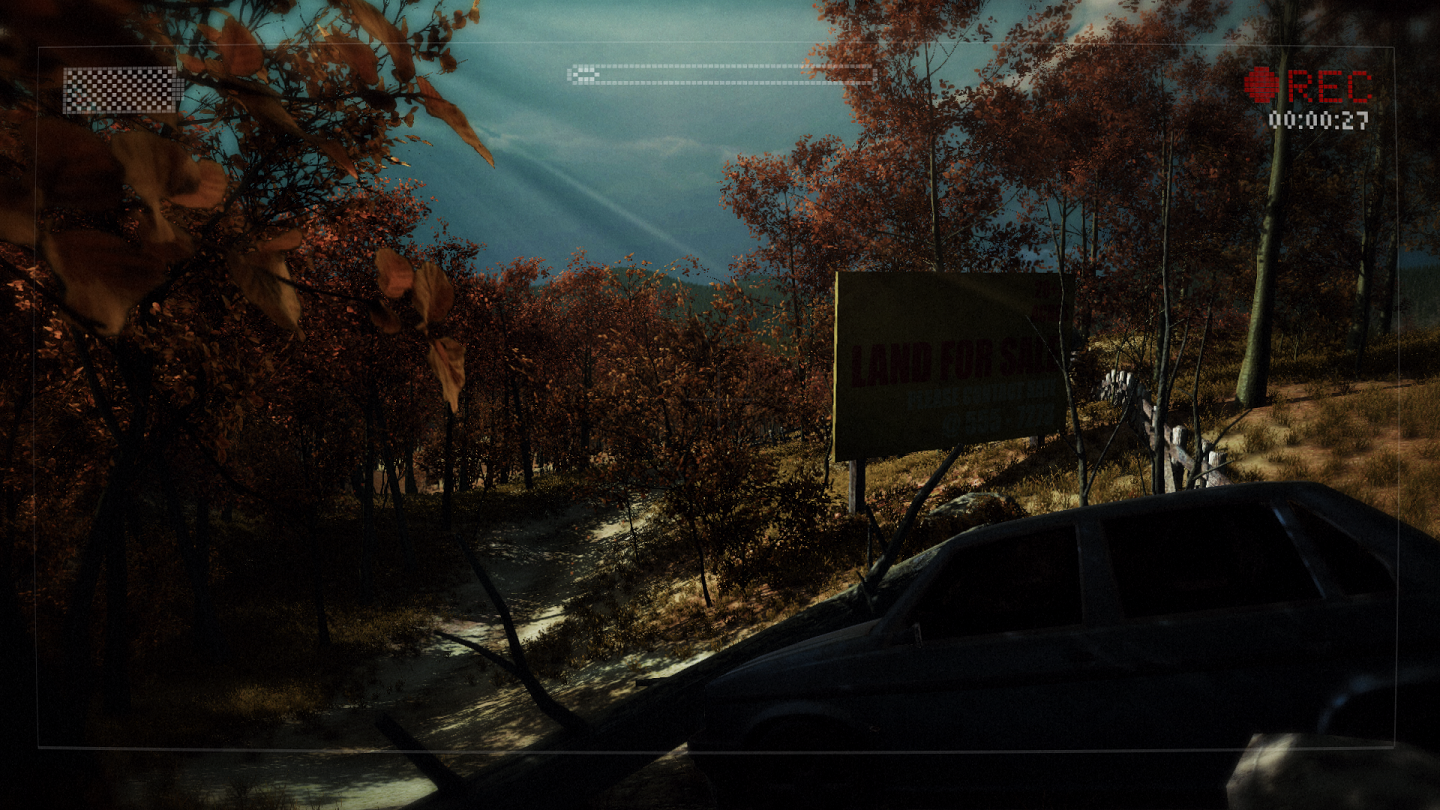
Slender: The Arrival is the commercial version of a free game called Slender. The original was based upon a a simple concept: find eight pieces of paper before the Slenderman, a now famous creature that started out as an internet meme, gets you. I wrote a blog post about the game when it was released and as a short experiment I found it quite interesting, but wondered how one would make it into a longer experience. So when I heard a commercial version was in the works I became quite curious, and gave it a go soon after release.
Thoughts on Bioshock Infinite
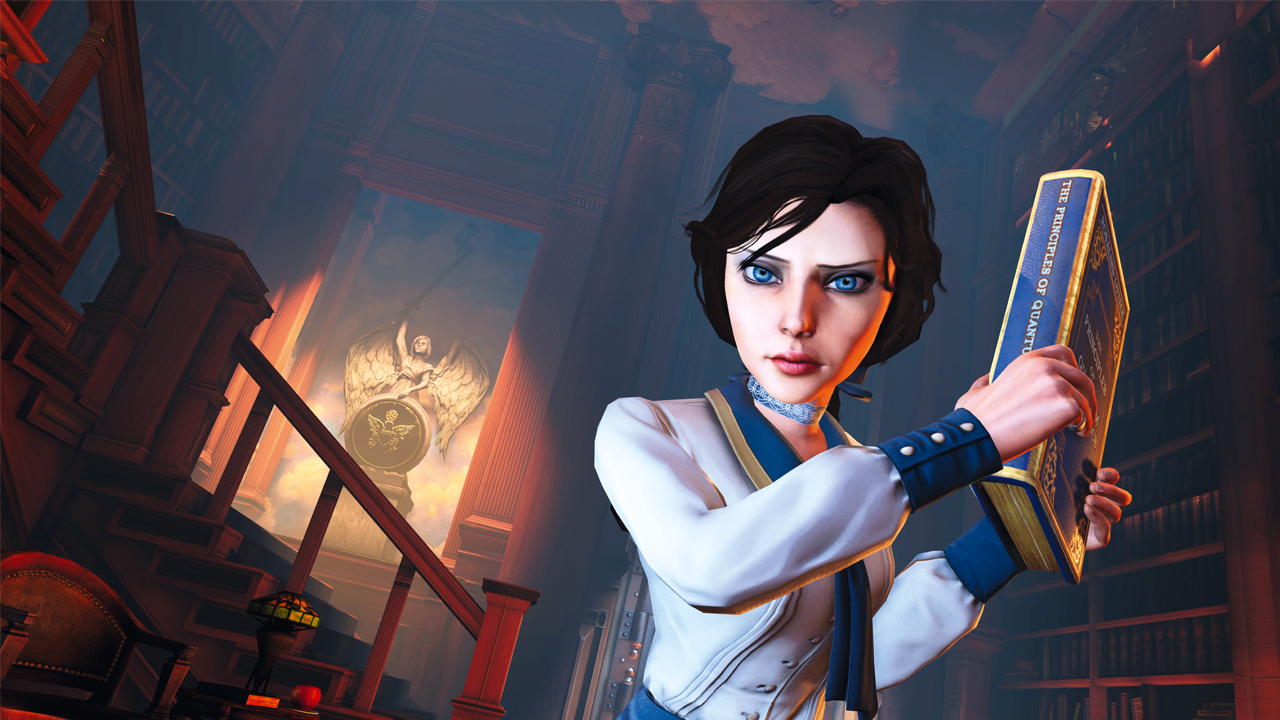
So I just finished Bioshock Infinite and I feel I need to write something about it. There is a lot that is really good about the game, but the way it all comes together seems like a wasted opportunity. This does not mean it is a bad game, far from it.
GDC 2013 Talk
I just finished cleaning up the script for the GDC2013 talk.
Puzzles and Causal Histories
In the last post I brought up a few reasons why puzzles should not be dismissed. In this I will bring up another one: making the player feel as an active force. I refer to this concept as having a causal history. My hope is that it provides a new way to view and evaluate puzzles.
Puzzles, what are they good for?
I recently came a across this article from AdventureGamers about puzzles, and it got me thinking. The article covers the different ways in which puzzles have been swapped for other activities over the years, something that I am very interested in. There is so much great about adventure games that just seem to be held back by their puzzles. It always seem that they break the flow of the experience. I find that many adventure games are more engaging to play when you have a walkthrough close at hand. Of course, consulting a guide has it own share of problems, and is far from an optimal way to play. Some other solution must exist.
Goals and Storytelling
Let’s talk about goals in storytelling games. Not really the far-reaching “save the princess” or “kill the evil dude” kind of goals, but the local and moment-to-moment goals that face a player throughout the experience. I have sort of touched upon this in the scene-approach to high level story telling story design post, but want to discuss it a bit further. I think this is another major reason why there still a need for either violence or puzzles to drive the story forward. The reason being that the player does not know what they should be doing otherwise.
High-Level Storytelling Design
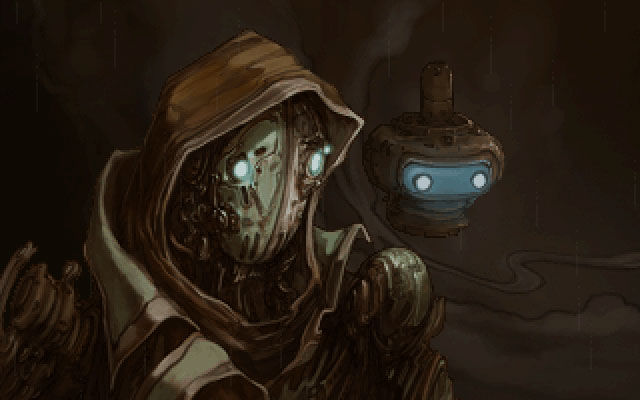
I recently started to play the demo for the upcoming adventure game Primordia. I really like the art-style, the setting, themes and the characters (perhaps with the exception of a somewhat annoying companion). Despite this I am finding myself not being that engaged when playing it. The main reason for this is that the game is in a very traditional point-and-click form, which means that it is mainly all about solving puzzles. Despite some good design and an in-game hint system, its gameplay back-bone is holding it back.
Humble beginnings of the HPL Engine
I recently stumbled upon some really old videos with gameplay tests in the HPL engine and decided they would be fun to show off. This was not our first foray into 3D first person horror (Unbirth was), but it was the first time the the HPL engine was used. All of these are gameplay videos are from a student project then know as “The Hatch” and later became the “Penumbra Tech Demo”.
Amnesia – Two Years Later
It has now passed a little more than two years since we launched Amnesia and one year since the last report, so time for another! One would think that there is perhaps not much to be said this long after release, especially for a single player game with no built-in social features. But the fact is that Amnesia is still going very strong and 2012 will probably be the best financial year here at Frictional Games, which we would never had expected two years ago.
