In case you did not follow the comments on the last blog post with my views on the player as an artist, you might have missed that James Portnow from Extra Credits responded and he and I had a brief exchange. This discussion is now up on the Escapist in case anyone is interested in checking it out.
The Player – the artist?
n this week’s Extra Credits it was argued that we should treat the player of a video game as an artist and co-author of the game. One major point was that other media can be said to be valid without an audience, but not so for videogames. In video games a player is needed for the work to fully come to life. The other point was that players have an artistic role in this co-operative creation and that understanding the feelings that drive an artist can be used to make better video games.
Tech feature: Scripting upgrade
For a couple of months now I have, on and off, worked on some basic tech aspects for the engine. Everytime I was done with one of these I thought it was among the hardest things I would do for the new engine, yet the next feature as always proved more challenging. Terrain geometry was harder to implement than sun shadows, terrain texturing harder than geometry, and so on. Implementing the script system is no different.
Finding videogame’s true voice
The main gist of this post is that we are not using the full narrative capability of video games. I believe we fail to take into account certain aspects that lie at the core of making artistic creations powerful and thus miss out on crucial strengths of the video game medium. To get to the core of these strengths, I will first have a look at other media (specifically film and literature), and then explore what lessons that can be applied to video games. What I end up with is a way of thinking that use basic elements of the film and literature experience, yet is quite different from these.
The Portal 2 ARG Postmortem
On Saturday morning, the 11th December, I came across a strange mail as I did my early inbox checking. The email in question was an invite from Valve, asking us to visit them on the 17th, merely 6 days away, for reasons that were quite obscure. The only thing we knew was that it had to do with Portal 2 and that it might involve other game developers. We were of course intrigued, but at the same time a bit reluctant as we had to travel, a not short journey, in only a few days. However, after a few minutes of deep introspection, we thought “what the heck” and decided to go.
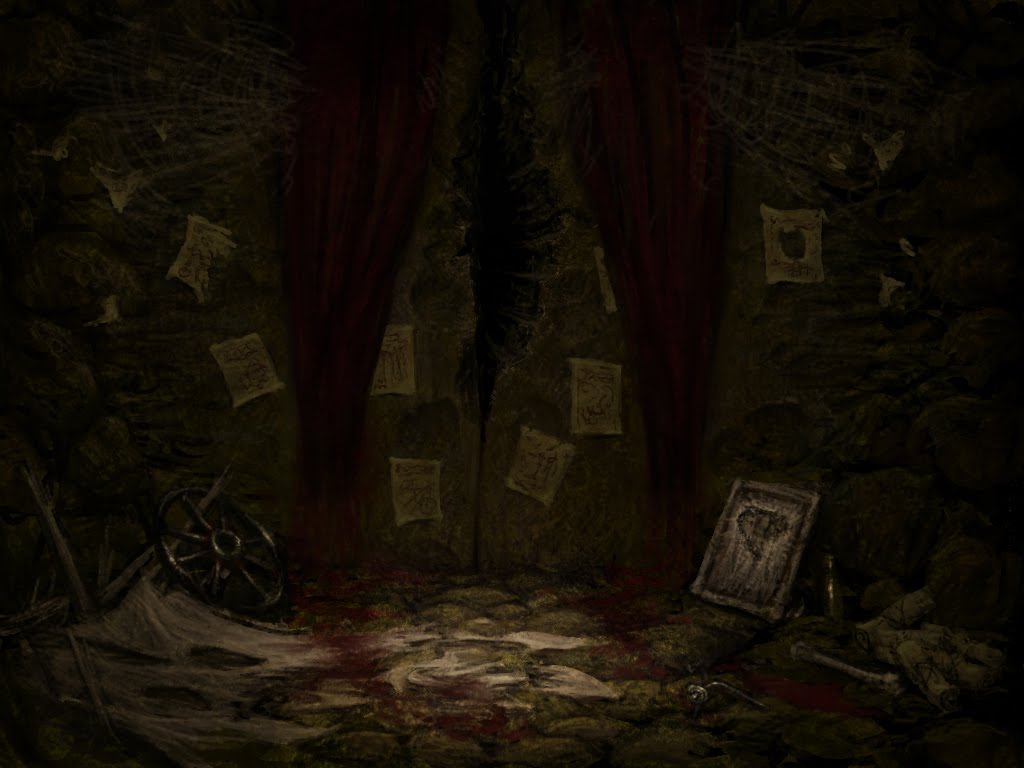
Amnesia: The Dark Descent gets a free expansion!
Amnesia on Steam now comes with with 20% more horror and 10% less cake. Enjoy this brand new flavor of canned horror – manufactured with license by Aperture Science.
Some Industry Reflections
One thing I have been thinking about recently, is the direction in which the indie game scene seems to be heading. This is something that can be seen in upcoming of games, various talks, articles and what is considered the largest recent successes. It is a direction that might have large consequences for the future of the medium.
Birth of a Monster part 4: It’s alive!
Before the model could be used in game, some other things was required. First the model needed to be rigged and skinned, a process where the mesh is connected to a skeleton. This skeleton then need to get animations and not until that was done where we able to get a it into the game. This job was made in part internally and partly by an external company. There were a lot of job put into this, but is unfortunately outside of the scope of the article. To some sum things up: we got the creature moving and it was now time to put inside the game.
Birth of a Monster Part 1: Creating Unspeakable Guidelines
The following article outlines the process of creating a creature model from scratch for our first person horror game Amnesia: The Dark Descent. It will go through the basic thinking that went into the design of the enemy, how the concept images where made, how the mesh was built and finally how it was put into the game
The Dragon Speech
This weekend I discovered the “Dragon Speech” by Chris Crawford and found it really great. He brings up a lot of good stuff, and touches on many subjects that I have ranted about. I am actually a bit embarrassed that I never seen this talk before.
